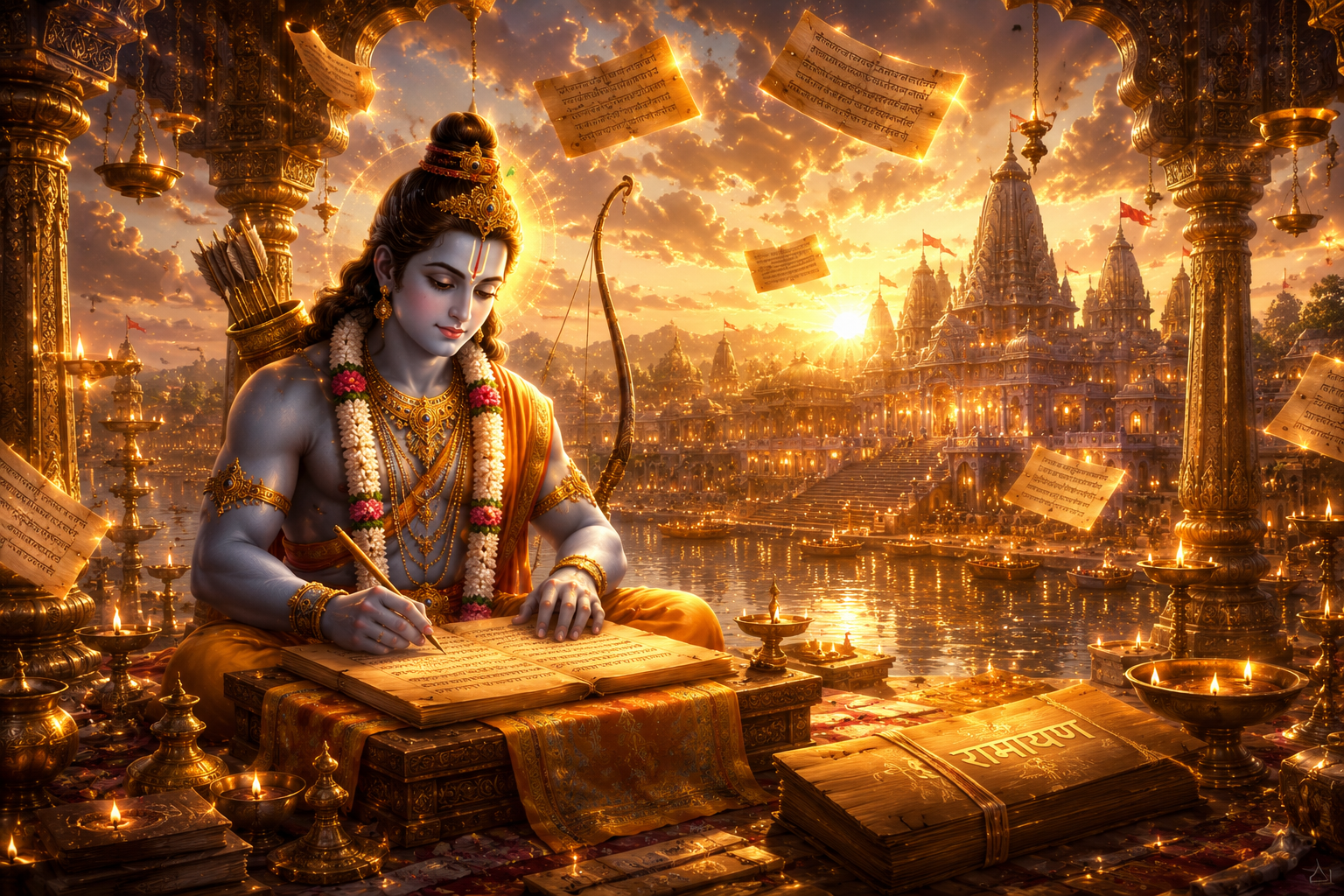
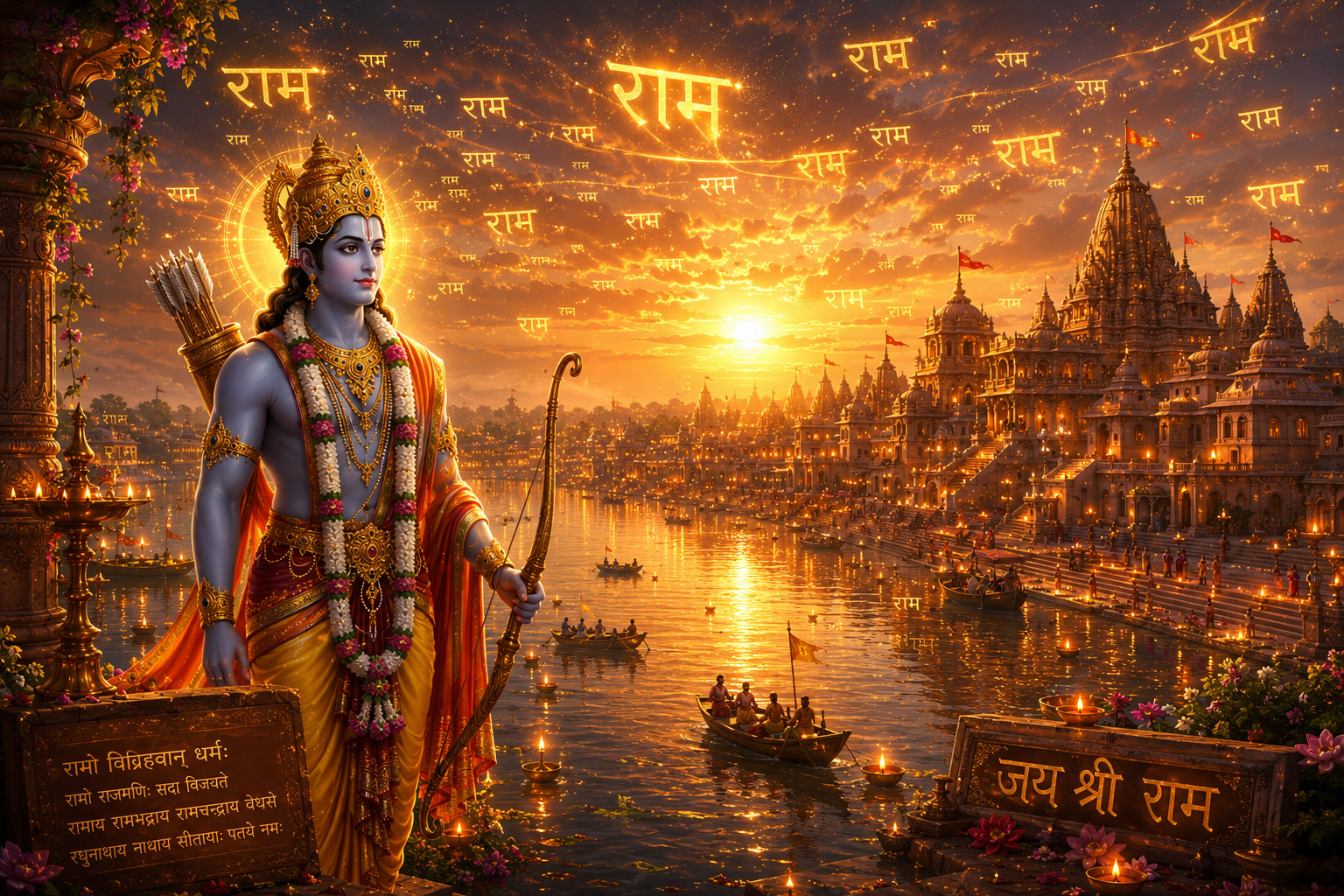
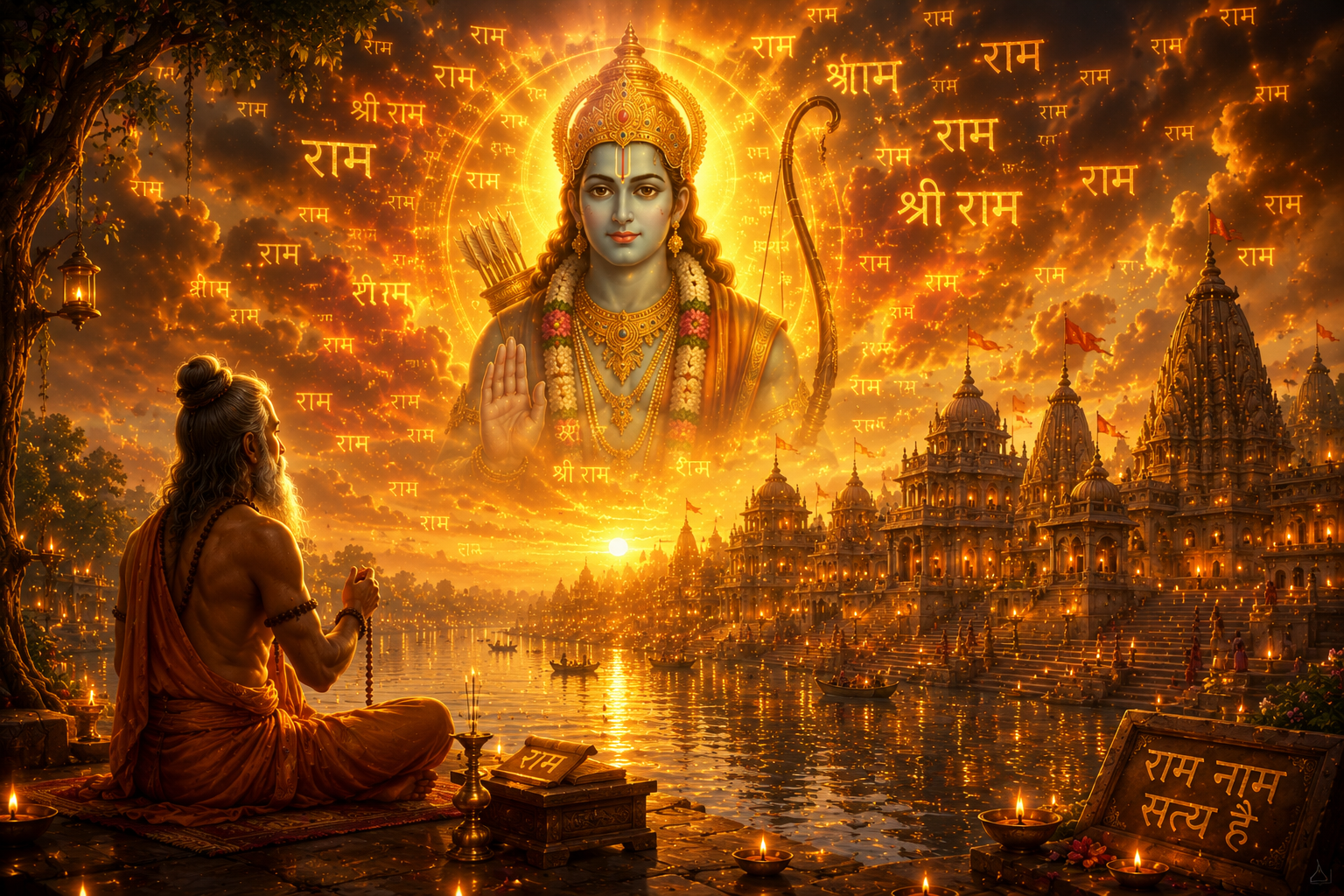
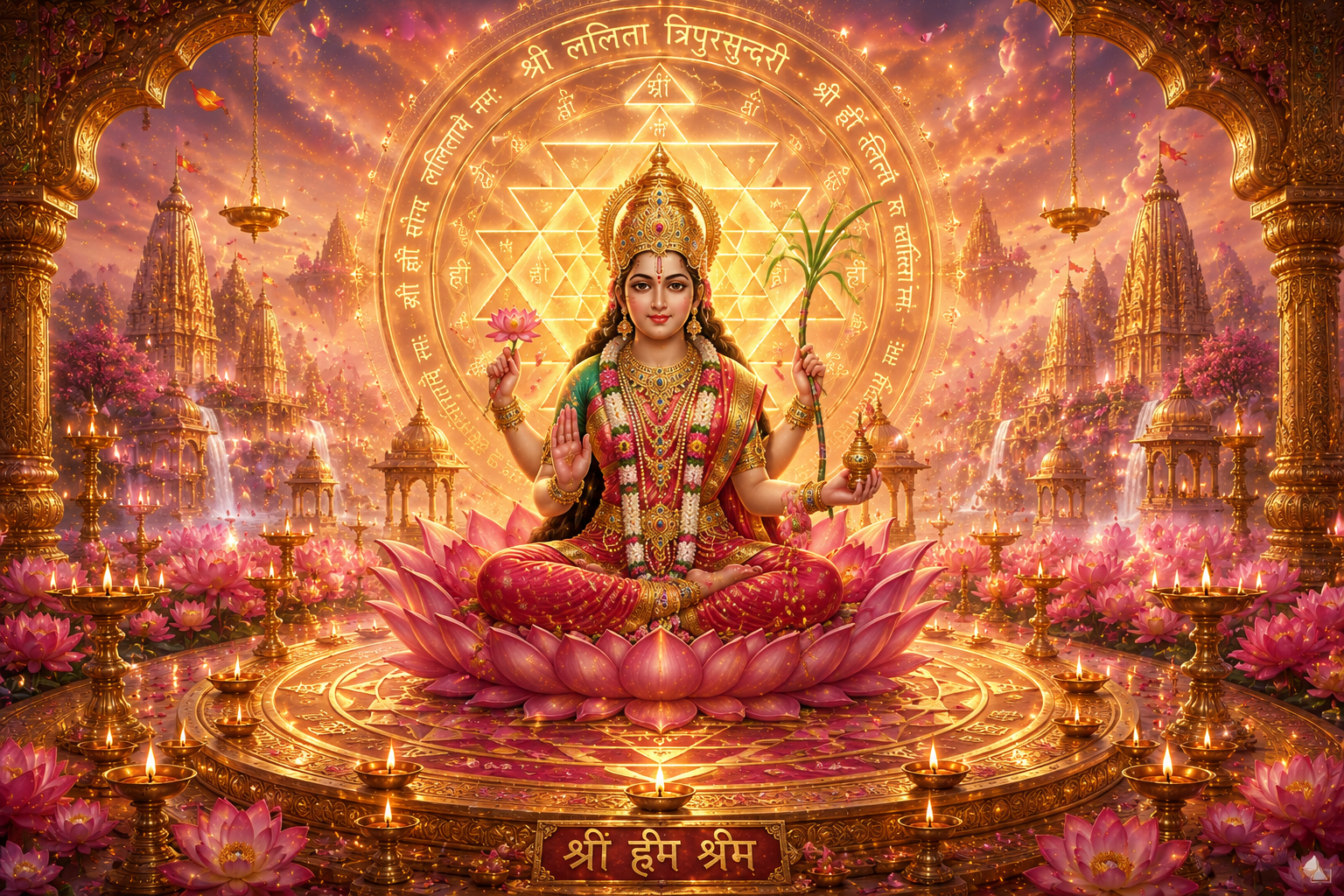
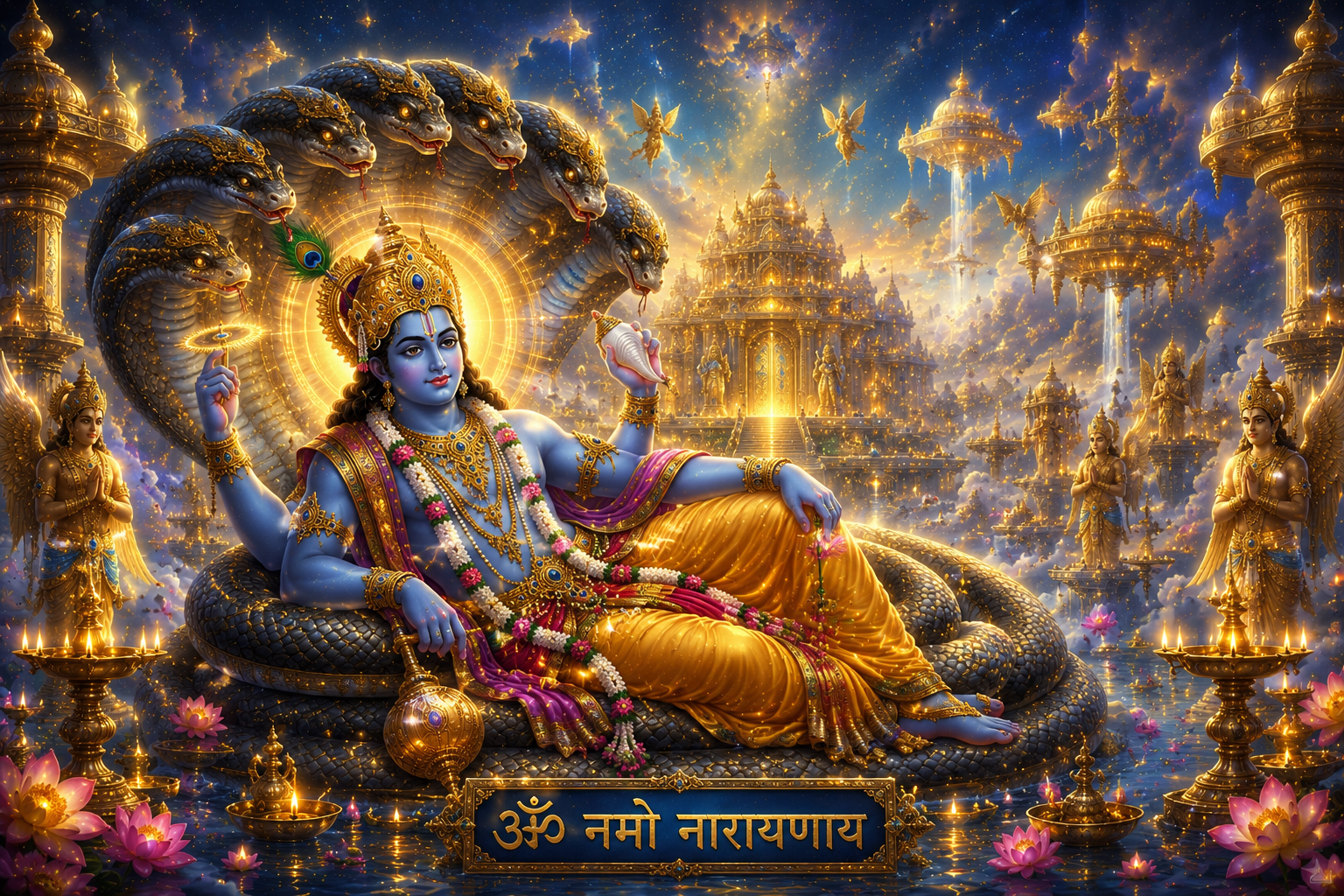
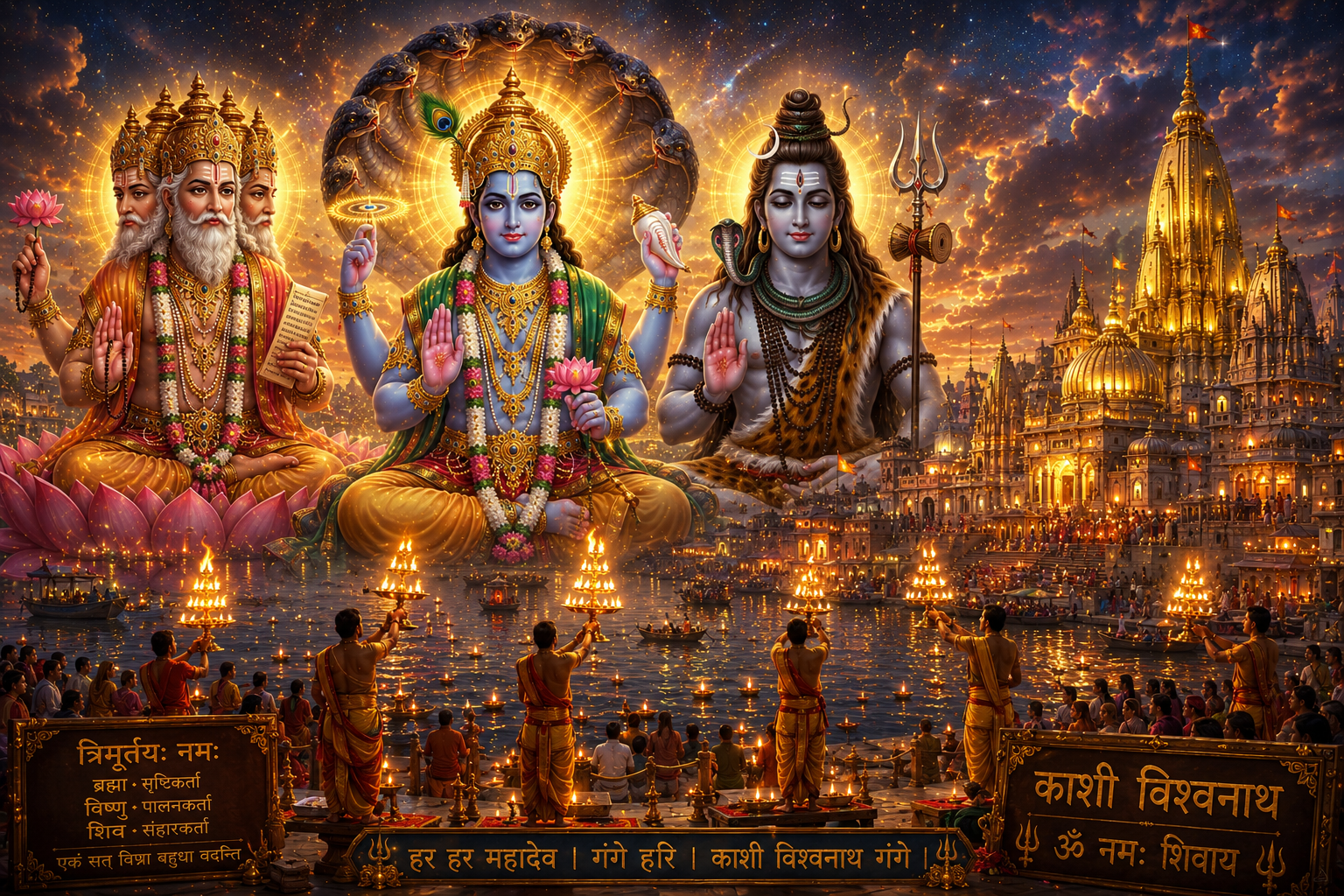
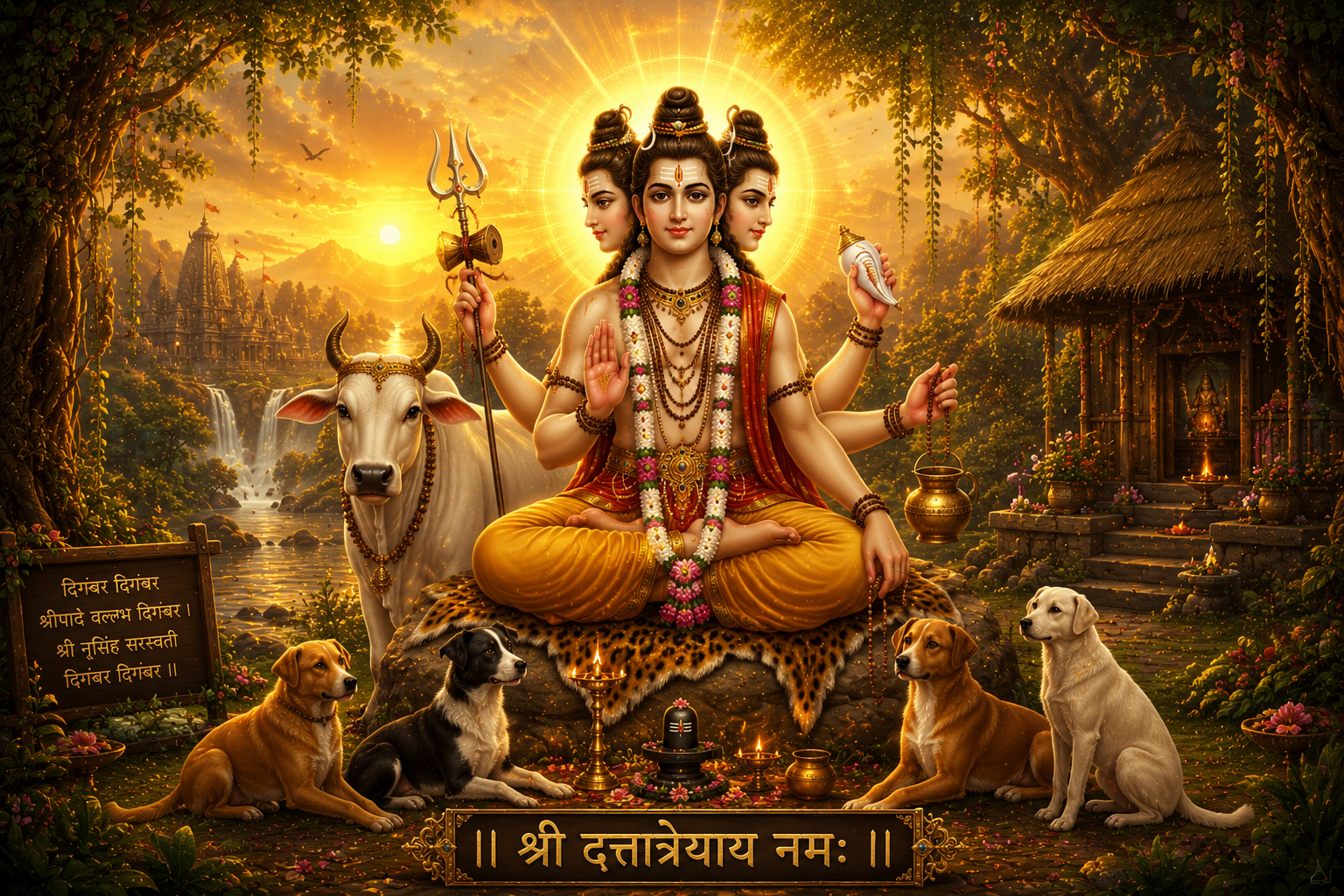
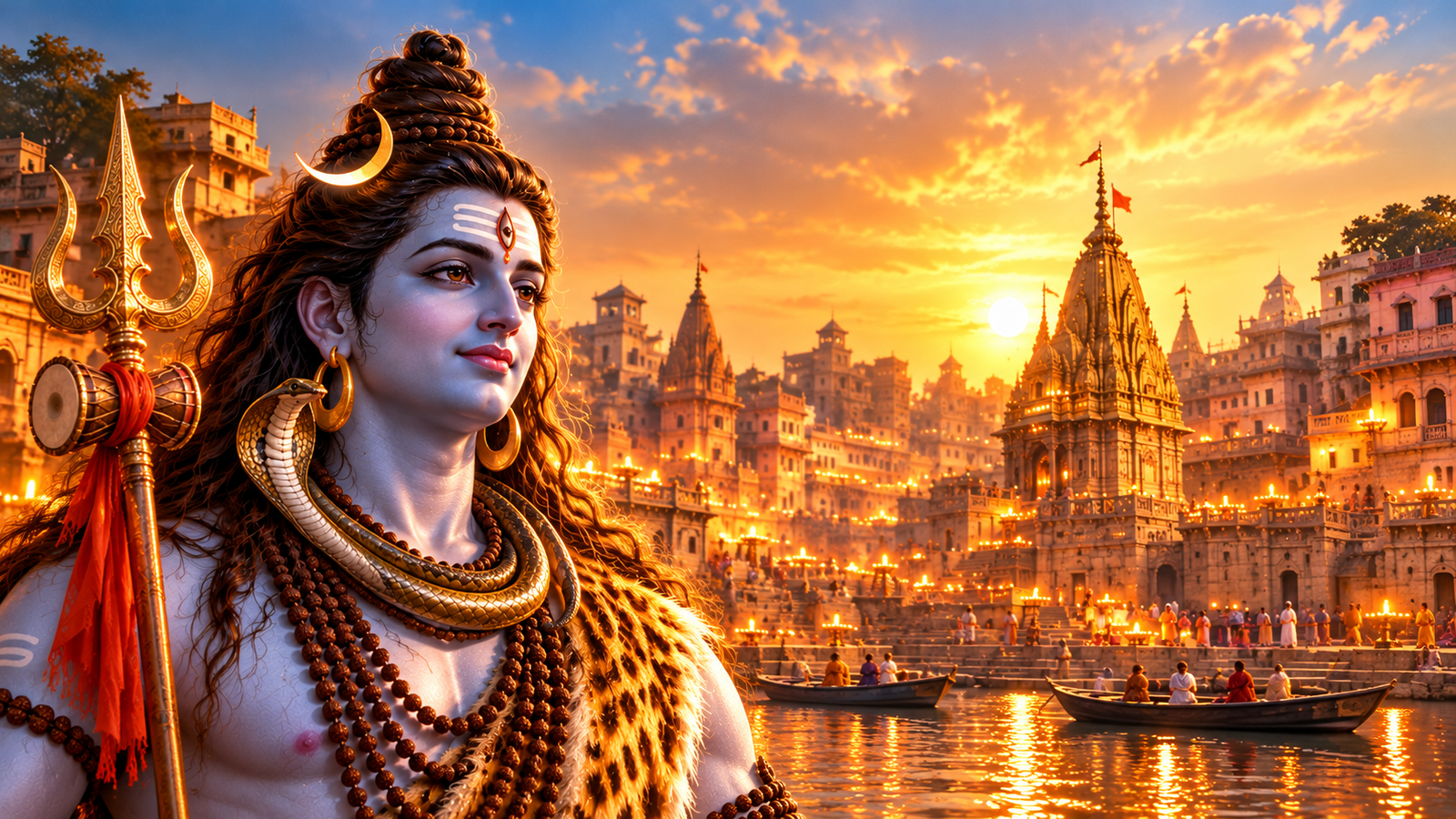
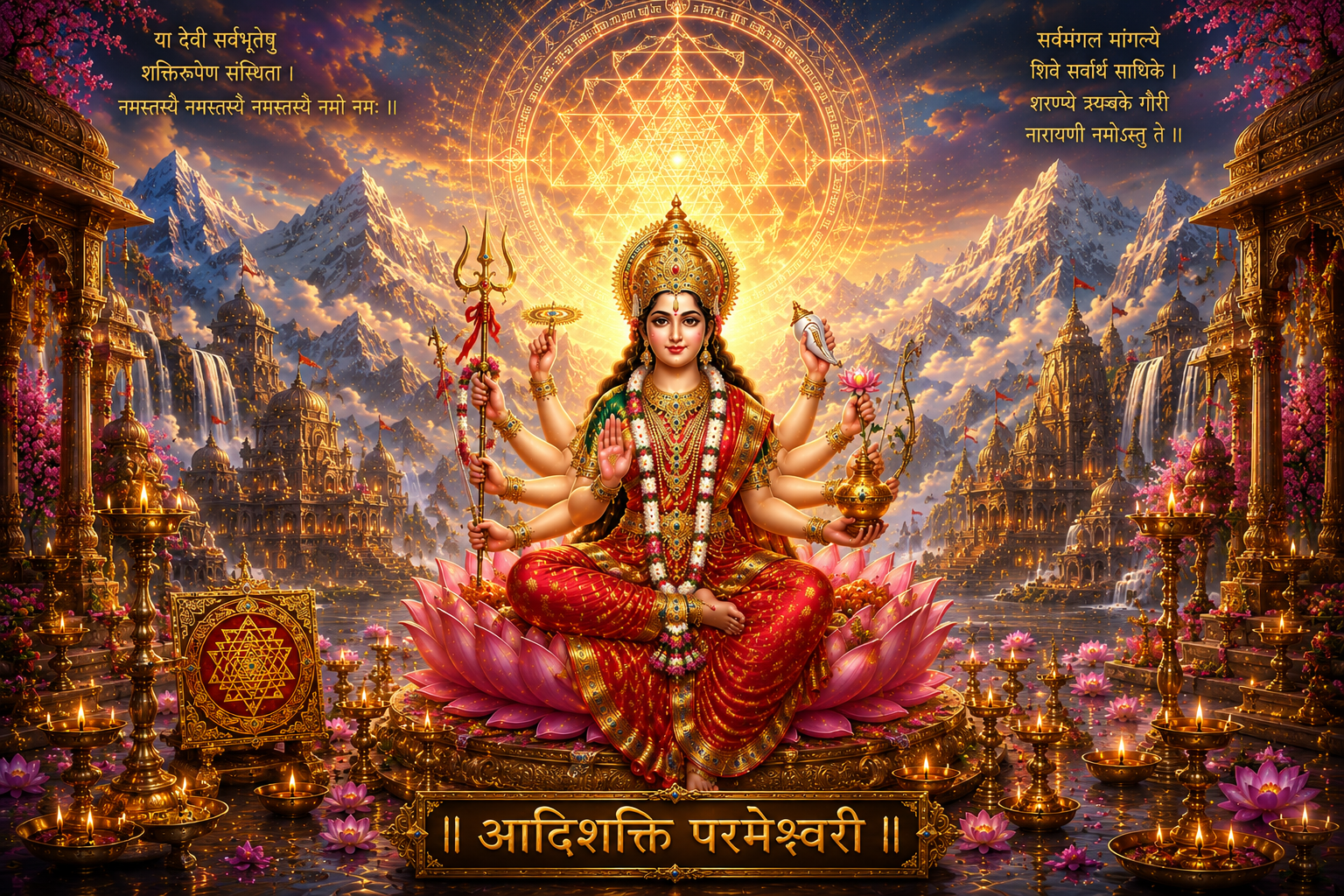
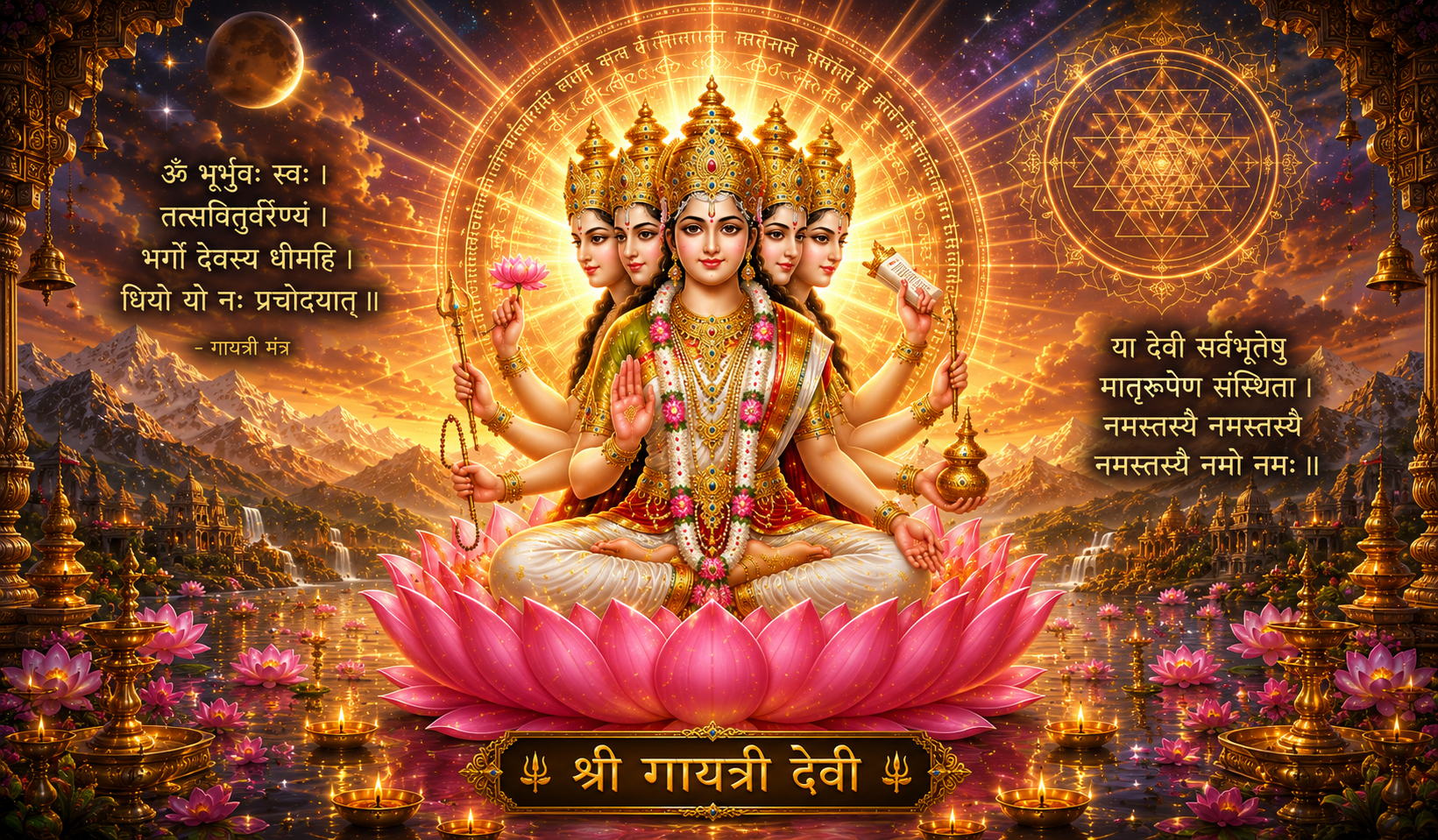
A global community united in collective chanting, parayanam and sacred yajnas β honoring Hanuman, Rama, Shiva, Vishnu, Devi and the eternal wisdom of Sanatana Dharma.
India is the richest country in heritage and culture, revered across the world as the Land of Temples. From the sacred Shakti Peethas to the timeless Jyotirlingas, her soil holds the living presence of the divine.
The eighteen supreme abodes of the Divine Mother.
The twelve radiant Jyotirlinga shrines of Lord Shiva.
The revered hill shrine of Lord Ayyappa in Kerala.
Tirumala Tirupati Devasthanams, Tirupati, Andhra Pradesh.
The sacred sannidhi of Sri Sai Baba at Shirdi.
The kshetra of Lord Dattatreya at Gangapur.
The temple of Sri Rama at Bhadrachalam.
Sri Lakshmi Narasimha Swamy, Yadagirigutta.
The glorious upcoming temple of Sri Rama at Ayodhya.
A Hindu is a person who follows the eternal way of life known as Hinduism β Sanatana Dharma. The word Hindu comes from the Persian name for India, Hind, whose ultimate root is the Sanskrit word Sindhu, meaning "river." To be Hindu is to belong to this ancient, living civilisation of dharma.
Each Yagnam is a collective vow β devotees across the world chanting, writing and reciting together for the welfare of all beings. Explore every yagnam and join the daily parayanam.
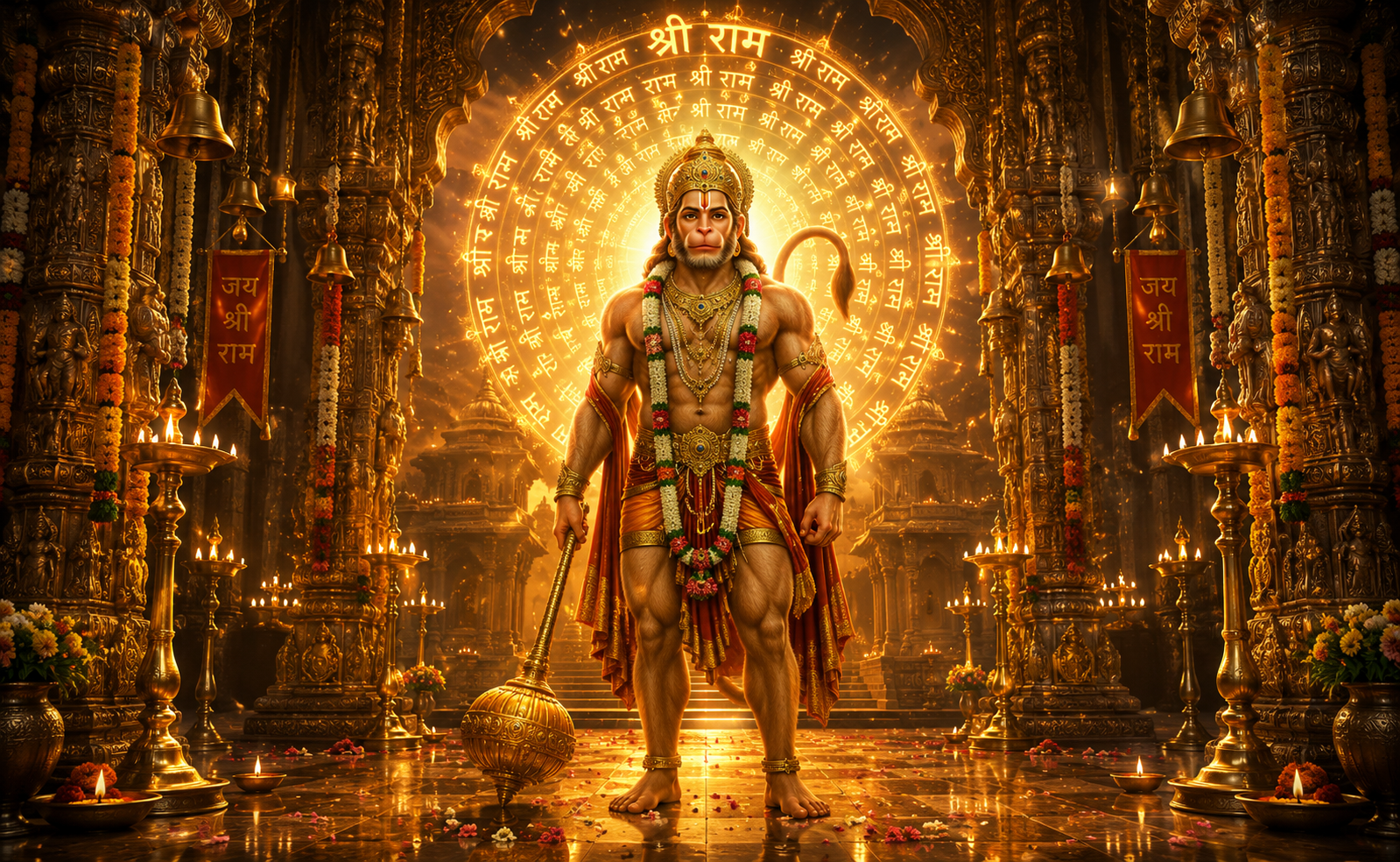
Yajna β sacrifice, devotion, worship, offering β refers in Hinduism to any ritual done before a sacred fire, often with mantras. A Vedic tradition described in the Brahmanas and the Yajurveda, its highest daily form is the Pancha Maha Yagna, the five great offerings every family is enjoined to perform each day.
Worship of the Devas
Offering to the Devas through Agni (the sacred fire). Giving is the very mode of worship.
Worship of our Forefathers
Offering rice (pinda) or water to our ancestors, in gratitude for the body they gave us.
Worship of all Beings
Giving food and other needs to animals, birds, insects and every creature around us.
Worship of Fellow Humans
Giving whatever one has to fellow beings β the offering of service and hospitality.
Worship of Knowledge
Offering one's knowledge to others, and learning for oneself β honouring wisdom itself.
Each day we cause unavoidable himsa (harm) while cooking, cutting and living. The Pancha Maha Yagna makes up for this everyday violence.
Our very existence depends on five entities. By the grace of the Devatas we can live upon this earth; through our parents and forefathers we have this body; we depend daily on beings as great as the cow for its milk and as small as bacteria that turn milk into curd; we enjoy the fruits of our fellow beings' work β from the food on our plates to the internet in our hands; and knowledge, material and spiritual, is what lets us reach our goals. All five deserve our gratitude.
Lord Krishna says in the Gita: by worshipping the Devas, the Devas are pleased, and in turn please us β and in this mutual pleasing, we rise toward the Supreme. This holds true for all five offerings. This fivefold daily worship is itself a path to the Supreme.
Hence, every family should perform the Pancha Yagna every day.
The vast body of Sanatana Dharma's wisdom is preserved in two great streams β Sruti, "that which is heard," the eternal revealed knowledge, and Smriti, "that which is remembered," the tradition handed down through the sages.
Vedas Β· Samhitas Β· Brahmanas Β· Aranyakas Β· Upanishads
Upavedas Β· Vedangas Β· Darshanas Β· Dharma Shastras Β· Agamas Β· Tantras Β· Puranas Β· Upa Puranas Β· Itihasas Β· Bhagavad Gita Β· Stotras Β· Subhashitas Β· Bhashyas and others
Hindu Maha Yagnam promotes Sanatana Dharma through collective chanting, parayanam, writing yajnas and spiritual practices β building a global community rooted in devotion and discipline.
Learn More About Us